
Sell your home in Elora with a better plan.
A stone home near the village core, an established Salem property and a newer south-side resale do not attract exactly the same buyer. Kris builds the staging, pricing and launch around the home and setting you actually own.
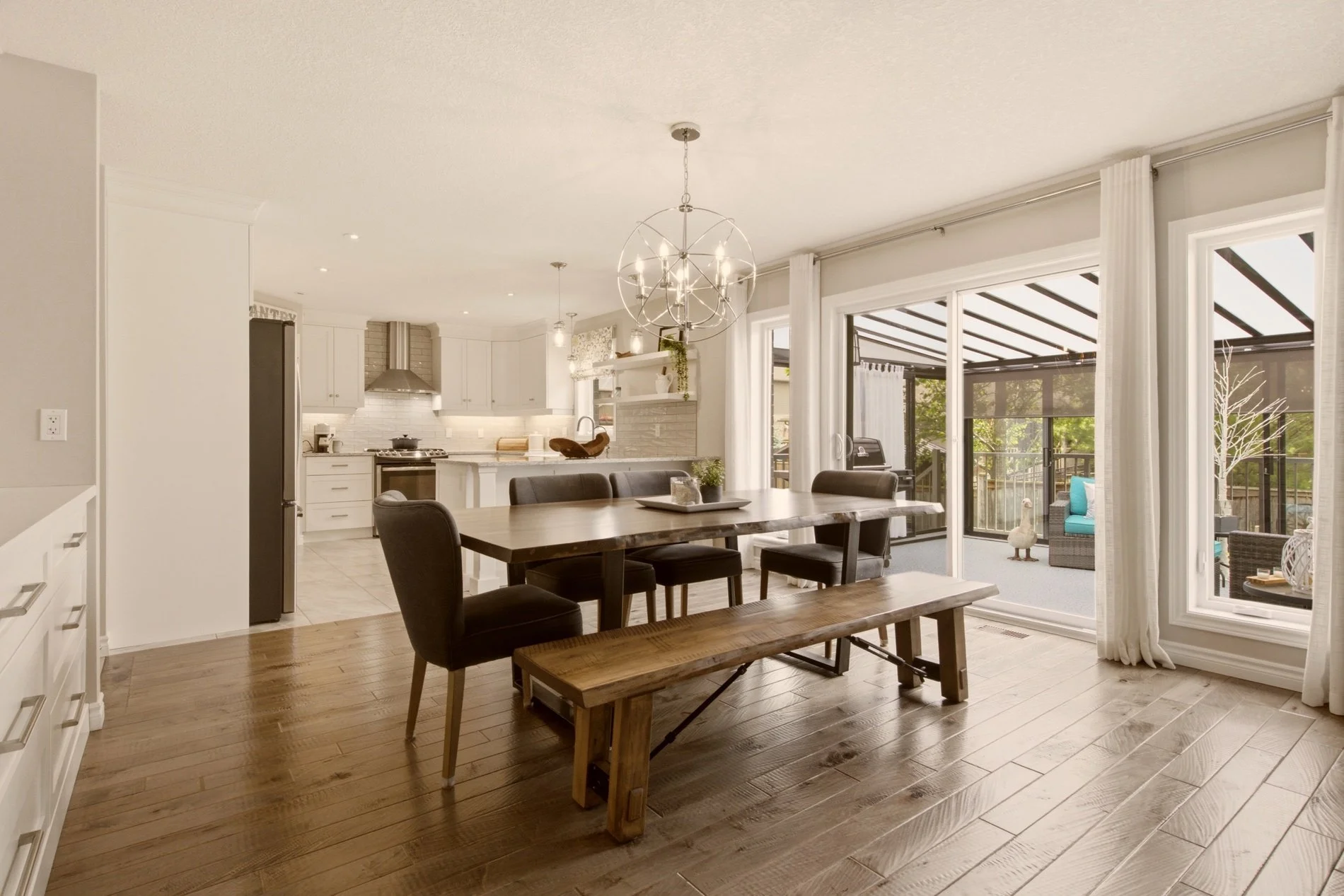
How Elora homes compare.
Elora is more than century homes beside the gorge. The right comparable set begins with the property type, local pocket, setting and buyer—not a single town-wide average.
Stone, brick and century homes
Homes near downtown, Bissell Park and the village shops attract buyers looking for architecture and walkability. Character helps, but buyers still compare parking, masonry, moisture control, major updates and verified heritage status.
Mature lots and practical homes
Salem and established Elora streets include bungalows, older homes and mature lots. Layout, storage, basement condition and renovation quality drive the comparison.
Resales that compete with builders
Newer detached homes, semis and townhomes may compete with builder inventory. Finished upgrades, landscaping, basement work and closing flexibility help show the value of a completed resale.
Setting and services matter
Views, trails, privacy and acreage can be major advantages. Buyers also need clear answers about boundaries, drainage, legal access, wells, septic systems, zoning, outbuildings and any conservation requirements.
Five things to check before you list.
Clear answers reduce buyer uncertainty and make pricing easier to defend.
Check the property records
Termites were first detected in Elora in the mid-1970s, and Centre Wellington maps known local management areas. A mapped address does not prove current activity. Gather any inspection, treatment, repair or monitoring records, and have warning signs assessed by a licensed pest-control company that specializes in termites.
Find the source—not a cover-up
Check roof leaks, grading, damp basements and masonry. Near rivers, slopes or wetlands, use the GRCA map as a first screen and confirm requirements for the address.
Confirm what can be advertised
Collect permits and final approvals for additions, finished basements, accessory units, decks and structural changes. Finished space is not always approved living space.
Document age and service
Record the age and service history of the roof, heating and cooling equipment, electrical, plumbing and windows. Invoices and warranties help buyers assess upcoming costs.
Gather what applies
Prepare the survey or sketch, rental agreements and documents for any heritage status, access, condo, well, septic, zoning or conservation matters that apply.
Public maps are a useful starting point. Requirements and property conditions must be confirmed for the individual address.
What is worth doing before you list.
Do now
- Address active leaks, safety issues and obvious damage
- Gather permits, warranties and relevant termite records
- Deep-clean, declutter and complete small unfinished jobs
- Present authentic details without hiding practical issues
Decide after the walkthrough
- Painting, flooring or fixture changes
- Landscaping, privacy and exterior touch-ups
- Masonry, window or larger repair work
- Work that may not be rewarded by the closest buyers
Usually skip
- A rushed full kitchen or bathroom renovation
- Removing character to chase a generic trend
- Unpermitted conversions or last-minute additions
- Claims about access or future use without proof
Complete home staging and professional photography are included, so the entire presentation is planned before launch.
How the sale comes together.
Kris handles the work directly through M1 Real Estate Brokerage, with complete staging, professional photography and the listing launch included for a 1% listing-side fee.
Review
Walk through the property, identify the likely buyer and comparable homes, and flag address-specific questions.
Prepare and stage
Prioritize useful repairs and records, then stage the full home for clear flow and strong photography.
Price and launch
Set the strategy, complete the media and listing details, and coordinate promotion, showings and feedback.
Negotiate and close
Compare price with conditions, deposit, financing and closing date, then manage the file through a firm sale.
Questions worth answering early.
Does a mapped termite area mean an Elora home has termites?
No. The Township map identifies known management areas, not the current condition of every property. Check the address and available history, and use a licensed pest-control company that specializes in termites when there are warning signs or unanswered questions.
How early should I request a home valuation?
Ideally before major renovation or decluttering begins. Early advice gives you time to retrieve records and prevents spending on work that the likely buyer may not reward.
What does the 1% listing-side fee include?
It includes complete home staging, professional photography, pricing and launch strategy, marketing, showing support, direct communication and negotiation. Any cooperating-brokerage compensation, where applicable, is separate and agreed before listing.
Start with an Elora home valuation.
Get a pricing range and a clear plan for preparation, documents and spending.